
How to Buy Your Next Home in Las Vegas When Your Money Is Tied Up in Your Current One
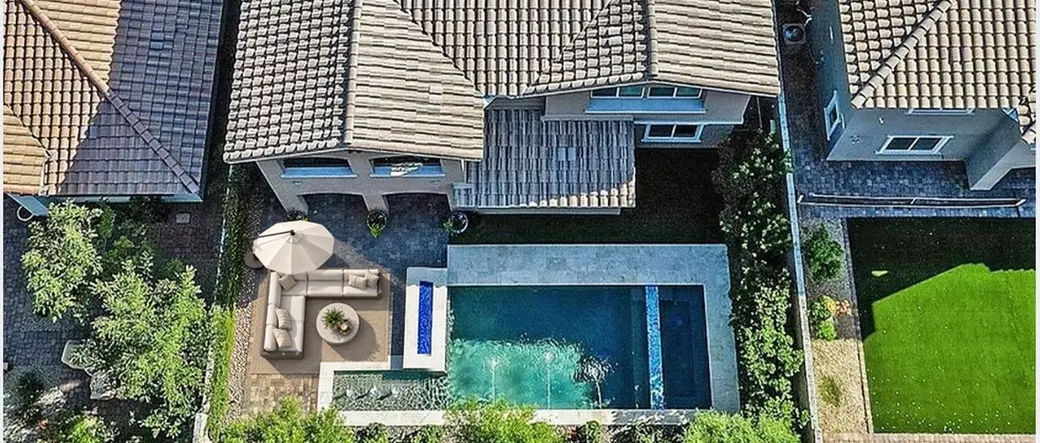
You may be able to use the proceeds from selling your current Las Vegas home toward your next home, even if most of your money is tied up in equity. What matters is how much you could keep after selling, when those funds would be available, and whether the next home's costs fit your budget.
Maybe you want more space, fewer stairs or a home that takes less looking after. Before you rule out a move because your savings account looks smaller than your home equity, start with the numbers and the timing.
The goal isn't to put every dollar into another house. It's to work out whether moving would leave you in a comfortable position.
Your home still needs to work for you, but your move also needs a realistic selling plan. The September 2026 Las Vegas REALTORS report showed more existing single-family homes listed without offers than a year earlier. With more homes for buyers to compare, accurate pricing and thoughtful preparation matter.
That means looking at recent comparable sales, competing listings and your home's condition, rather than setting a price solely around what you need for your next purchase. We can help you look at both sides of the move: what your current home could realistically sell for and what your next home would cost. We can help you decide which repairs or improvements are worth considering before listing, taking your home's condition, likely buyer expectations, and the cost of the work into account. Whatever your reason for moving, we're here to help you make an informed decision.
What is home equity, and how much can I actually use?
Home equity is your home's current value minus the debt secured against it. It isn't cash sitting in an account, and it isn't the same as what you would receive after a sale. For move planning, use this calculation:
Estimated sale price - mortgage payoff and other liens - selling costs = estimated net sale proceeds.
Selling costs can include your agreed real estate fees, title and escrow charges, and any seller credits or other costs you agree to pay. Repairs and preparation may take additional money before closing. Ask for an itemized estimate rather than assuming a fixed percentage applies to every sale.
Here is a made-up example, not a Las Vegas valuation or fee quote:
Estimated sale price: $600,000
Mortgage and other secured debt payoff: $350,000
Assumed selling costs: $40,000
Estimated net sale proceeds: $210,000
That does not mean all $210,000 should become your next down payment. You still need to allow for buying costs, moving expenses and the cash you want to keep available. Your actual payoff and closing figures will determine the final amount.
Should I sell my Las Vegas home before buying another?
Selling first makes your available proceeds clearer. Buying first can avoid an interim move, but you need an approved way to fund the purchase before your sale closes. Neither approach fits everyone.
Sell first, then buy
This lets you shop knowing how much you have to spend. The tradeoff is that you may need temporary housing, storage, or two moves if your next home isn't ready. Include those costs in the plan.
Make an offer that depends on selling your current home
A home-sale contingency can make the purchase dependent on the sale of your existing home, under the contract's terms. Deadlines and what happens if your sale falls through need careful review; a contingency is not a promise that both transactions will close. This however can make your offer less attractive to a seller.
Buy before selling
This may work if you have enough available funds and qualify for the necessary financing. Ask your lender to assess the overlap, including existing and proposed payments, before committing to a purchase, and ensure you have enough reserves in hand for two homes.
Can a bridge loan, HELOC or cash-out refinance help?
Possibly, but borrowing against equity creates debt, not extra savings. We have used the bridge loan option. Ask us how.
A bridge loan can provide funds for a new home before the current one sells. Qualification matters: Fannie Mae's guidance requires the lender to document the borrower's ability to carry the current home, new home, bridge loan and other obligations. Ask about interest, fees, repayment deadlines and what happens if the sale takes longer than expected.
A home equity line of credit, or HELOC, lets you borrow against your home. It involves risks and fees. Don't assume a lender will approve one for your intended sale timeline or that its payments will fit alongside your next mortgage.
A cash-out refinance replaces your current mortgage with a larger one and pays out the difference in cash. It can involve closing costs and a different interest rate. Refinancing shortly before a sale deserves a careful cost comparison, especially if your current rate is lower.
Discuss these choices with a lender before listing or making an offer. Borrowing against the house can also reduce the proceeds left when you sell.
Will I need cash before my current home sells?
You may. Having substantial equity does not automatically cover expenses that come due before sale proceeds are available.
Ask which payments are due when, including:
- Earnest money required by your purchase contract.
- Inspection and appraisal charges, including any collected before closing.
- Repairs or preparation on the home you are selling.
- Moving, storage or temporary housing.
- Your down payment, closing costs and any lender-required reserves.
Ask your lender and escrow team for a cash timeline, not only a total. Keep money available for emergencies rather than assuming every dollar of equity can go into the purchase.
What if I have a low mortgage rate now?
Compare the next home's full monthly cost, not just the purchase price or down payment. Ask your lender to price your new financing; don't assume your existing mortgage rate will move with you.
Include principal and interest, property taxes, insurance, mortgage insurance if required, HOA dues where applicable, maintenance and utilities. For your Las Vegas search, compare the actual homes: a larger home, pool or different HOA arrangement belongs in the budget, not just on the wish list. A bigger down payment does not by itself guarantee a lower total monthly cost than you pay now.
Quick questions about using equity for your next home
Can I use sale proceeds as my next down payment?
Yes, subject to your lender's documentation and timing requirements. Plan around net proceeds after selling costs and debt payoffs, not your headline equity figure.
Do I need 20% down?
Not always. Some loans allow smaller down payments. With a conventional loan, putting down 20% generally avoids private mortgage insurance, or PMI.
FHA loans may allow as little as 3.5% down for qualifying borrowers, but have their own mortgage insurance premiums, called MIP. Eligible VA borrowers may be able to buy with no down payment and no monthly mortgage insurance. A VA funding fee may apply unless the borrower qualifies for an exemption.
A smaller down payment does not mean there are no closing costs or other upfront expenses. Ask your lender to compare the options you qualify for, including how much cash you need, the monthly payment and the costs over time.
Should I renovate before selling to build more equity?
Not automatically. Start with your home's condition, comparable sales and the cost of the work. Don't spend on a renovation on the assumption that buyers will repay every dollar.
What should I have ready for a first conversation?
Your address, approximate mortgage and other home-secured debt balances, preferred timing, what you want to change about your home, and a monthly housing budget you feel comfortable with. You don't need every answer before you call.
Could your current home help you make your next move?
At Lakhani Team Real Estate, we can start by talking through what your Las Vegas home might sell for, estimated proceeds after the mortgage and selling costs, and how selling and buying could fit together. A lender can confirm your borrowing options, cash requirements and likely payment.
Whether you're moving across town, upsizing or looking for something easier to manage, you don't need to be ready to list before starting the conversation.
Call Lakhani Team Real Estate at (725) 300-6899 and share your story and goals with us.
Is it time to stop guessing? Call us. We can help you make an informed decision. Let's run the numbers, no stress, no pressure, just honest advice.
General information, not individual mortgage, tax or legal advice. Loan availability, qualification, and costs depend on your circumstances.
Sources:
https://selling-guide.fanniemae.com/sel/b3-4.3-10/anticipated-sales-proceeds
https://selling-guide.fanniemae.com/sel/b3-4.3-14/bridgeswing-loans
https://www.consumerfinance.gov/ask-cfpb/what-other-types-of-loans-are-similar-to-a-heloc-en-253/
https://www.consumerfinance.gov/owning-a-home/prepare/figure-out-how-much-you-want-to-spend/
https://www.consumerfinance.gov/ask-cfpb/what-costs-come-with-taking-out-a-mortgage-en-153/
https://www.consumerfinance.gov/ask-cfpb/what-is-private-mortgage-insurance-en-122/
https://www.hud.gov/helping-americans/loans/
https://www.hud.gov/hud-partners/housing-upfront-mip
https://www.va.gov/housing-assistance/home-loans/loan-types/purchase-loan/
https://www.va.gov/housing-assistance/home-loans/funding-fee-and-closing-costs/
Categories
Recent Posts





Whenever you are ready, we are here to help. Honesty guaranteed.
Real Estate Done Right.
NV (725) 300-6899